
We're Here #ForHer - The Impact of Sharing Our Stories
Period pain. Abortion. Miscarriage. Infertility. Birth control. PCOS. Plan B. Sex Ed. High-risk pregnancy. STIs. Endometriosis. Postpartum depression. Cervical cancer.
What do all of these words have in common?
Stigma.
Reproductive health has historically been a taboo topic that we are forced to deal with, often from a very young age. We intrinsically feel compelled to hide any sign of our natural experiences of womanhood, for no obvious reason other than that it is seen as socially unacceptable or not permitted in a public setting. Reproductive care topics such as those listed often carry a stigma that we do not have to accept, but in doing so, we must work together to change.
I’ve experienced this in my own life more times than I can count, all starting from when I was a teenager.
I remember being SO thankful that the internet was around back then, because I was too embarrassed to ask my parents, or anyone else for that matter, what sex was or how it worked. This was especially considering that “sex ed” in my small town school consisted of one single day of discussion around what it was like to get our periods, and that was pretty much it.
I remember having to repeatedly lie to my parents, my teachers, and past employers when I called in sick or stayed home from school because I was too embarrassed to tell them that I had debilitating period pain symptoms that prevented me from even getting out of bed.
Finally, I remember hiding my horribly painful experience behind my cervical precancer treatment for years before I realized just how traumatic it was.
I had never heard any of my friends talk about getting their periods, dealing with cramps, or going to a gynecology appointment, and had no idea what to expect. I simply wanted to get on birth control just so I could get some reprieve from my damn period cramps. I had no clue just how invasive and uncomfortable it was getting a pap smear for the very first time – I had simply accepted it as “part of the process” and just dealt with it. I walked out of my appointment with a prescription for birth control pills that I could go pick up myself, feeling a little bit of relief that I wouldn’t have having to explain to my parents that I honestly wasn’t having sex, I just wanted to not have to deal with period cramps anymore.
Fast forward a couple of years and another pap smear later, and nothing in the world could have prepared 17 year old me for how I felt when I received a phone call a few days later from my doctor informing me that my test results came back as abnormal and that I would have to come back in to discuss next steps.
I didn’t even know “abnormal” test results were a thing, but my doctor informed me that the test results indicated that I had severe cervical dysplasia, and that I was also diagnosed with a particular high-risk strain of HPV – human papillomavirus. This meant that the cells that were detected as abnormal would very likely develop into cervical cancer and spread to nearby tissue if left untreated.
The treatment? Cryotherapy. NOT a fun sounding word to hear when you’re by yourself in a doctor’s office at 17 years old.
I went back in a few days later for the procedure, again having no idea what to expect. Did I talk to anyone about it? Absolutely not! I was terrified, but at least my doctor reassured me that this procedure was minimal, didn’t require anesthesia and wasn’t considered a surgery, and that it would very likely prevent me from actually getting cervical cancer in the future. For a moment, I felt like everything would be fine and that I had nothing to worry about, and that this would be easy-peasy-lemon-squeezy.
Hoh-boy was I wrong.
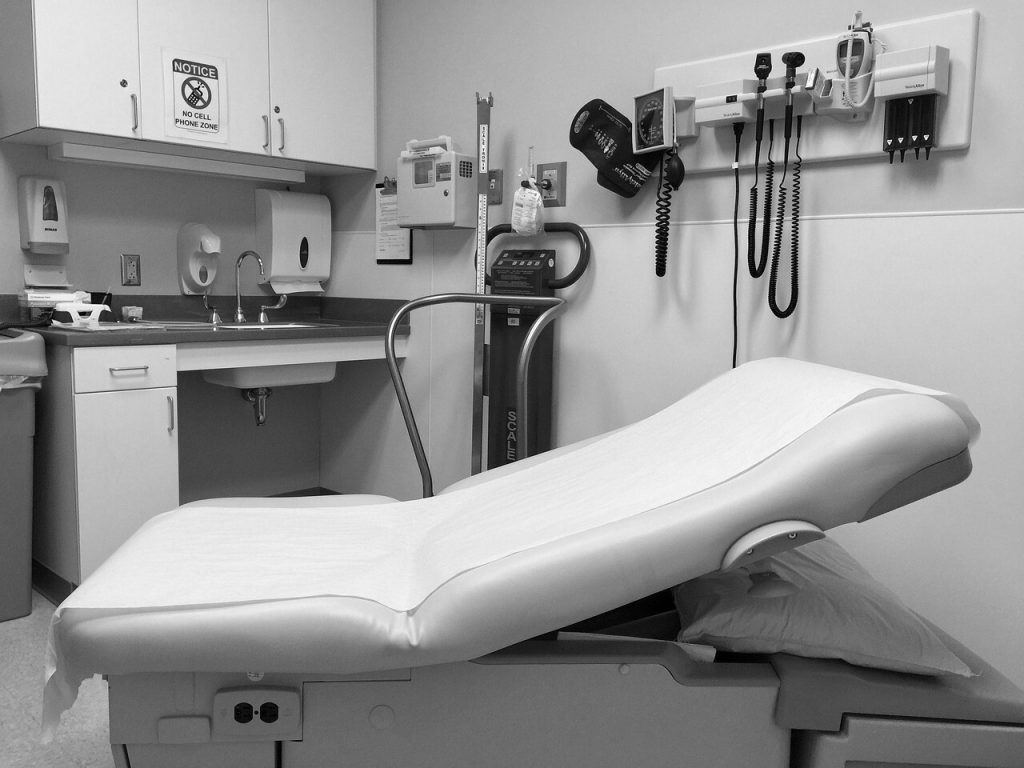
Without any offer for pain medication or even local anesthetic, I had what felt like a giant freeze-ray shoved up my hoo-hah that essentially blasted away any of the previously detected precancerous cells, and what felt like the rest of my uterus along with it. I began uncontrollably sobbing, gripping the sides of the table and trying not to scream from the pain. The procedure only took a few minutes, but it felt like an eternity. When my doctor was done, the nurse standing beside me helped me sit up right away, despite me clutching my stomach and asking for them to wait. I couldn’t stop crying from the severe cramping I was experiencing, and tried to explain how badly I was hurting. They acknowledged that feeling some cramping would be normal, and that it should go away in a few minutes. They then instructed me that I could get dressed and leave whenever I felt ready.
Then they left the room.
I sat there sobbing, by myself, for at least 10 more minutes before I finally forced myself to try to get up. When I did, I bolted to the nearest trash can and vomited before passing out on the floor.
I woke up a few minutes later, or so I assume, considering no one came back in to check on me. I was still alone, so I had no choice but to pull myself up, get dressed, and leave. I made it out to the hallway before I had to sit down in an attempt to stop myself from passing out again. About 15 minutes later, I finally was able to get up and walk out, remembering halfway out the door that I still had to drive myself back home, about 45 minutes away.
Even now, that was one of the most painful experiences in my entire life, and I felt like I couldn’t talk to anyone about it. I was embarrassed, scared, and pissed off that I had to go through all of that with what felt like minimal sympathy from my medical providers. It took me years to discover that cryotherapy was one of many reproductive care procedures that are done without any anesthetic or pain management of any kind. Since then I’ve read and listened to many stories from other women who have had similar experiences with other procedures, such as IUD insertion, where pain management is rarely ever offered.
So why am I telling my story?
Because there are so many aspects of my experience that other women can relate to – from feeling alone in dealing with a scary situation, to not feeling like you’re in a place to speak up when it comes to pain or other symptoms, to the stigma surrounding even talking about these experiences in the first place. Thanks to social media and digital communication, it feels like women around the world are finally coming together to advocate for better reproductive care treatment in almost every aspect.
Every single word I mentioned at the very top of this post is a normal part of our everyday experiences with reproductive healthcare, yet each word has its own cloud of shame that has been attached to it. Its up to us to try to clear the air.
Sharing our stories can be a powerful way to challenge the social norms around reproductive healthcare. Just by normalizing talking about our experiences, we can empower each other and work together to reduce stigma surrounding all of the areas of reproductive care where we previously felt silenced or powerless.
We're Sharing Our Stories #ForHer
The Minot Women’s Network has launched a campaign called “We’re Here #ForHer“, where individuals can share submitted, anonymous stories of their experiences with reproductive care. This campaign will work toward bringing awareness on the many restrictions and barriers people face when trying to access affordable, quality, and timely reproductive care, and highlight our experiences – both positive and negative – surrounding topics such as abortion, contraception, infertility, high risk pregnancy, reproductive health diseases and disorders, provider treatment, and other limitations on access to care in North Dakota.
We welcome anyone in North Dakota to share their stories to help normalize our experiences and work towards destigmatizing discussions around reproductive health!
To view submitted stories, visit our Home page on our website!
